


Let Grow Play Club


Children learn important skills and life lessons when adults don’t get involved every step of the way.
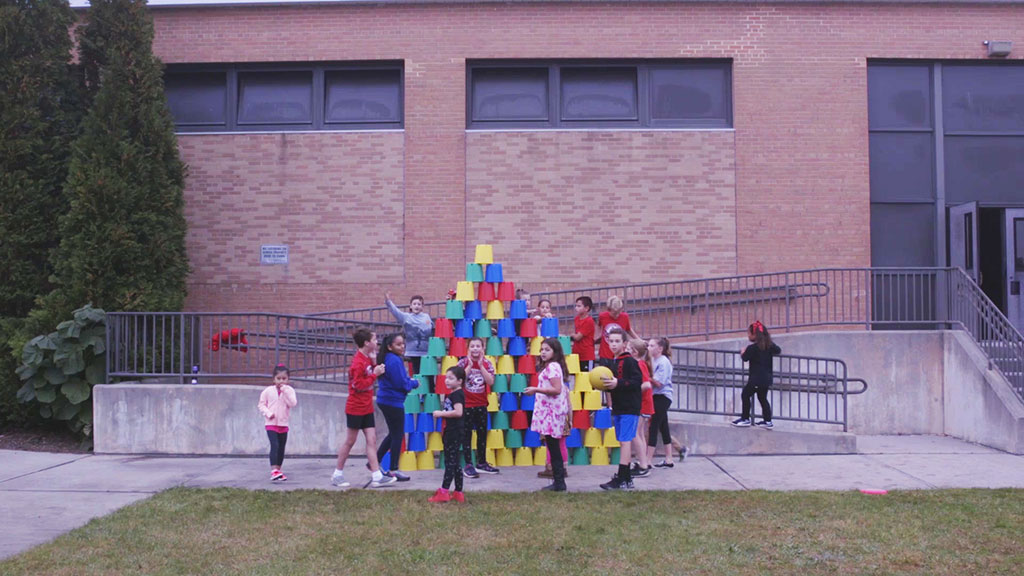
“In play, children are a head taller,” said the developmental psychologist Lev Vygotsky. You can bring all the benefits of unstructured play to your school or community by starting a Let Grow Play Club.
It’s a new kind of play program. The Club is the brainchild of Let Grow co-founder Dr. Peter Gray, the eminent psychologist who has spent his life studying the crucial role of unstructured, mixed-age “free play” in developing children’s creativity, confidence, and ability to thrive.
Start your own Play Club, and unleash the power of unstructured play!
School Culture

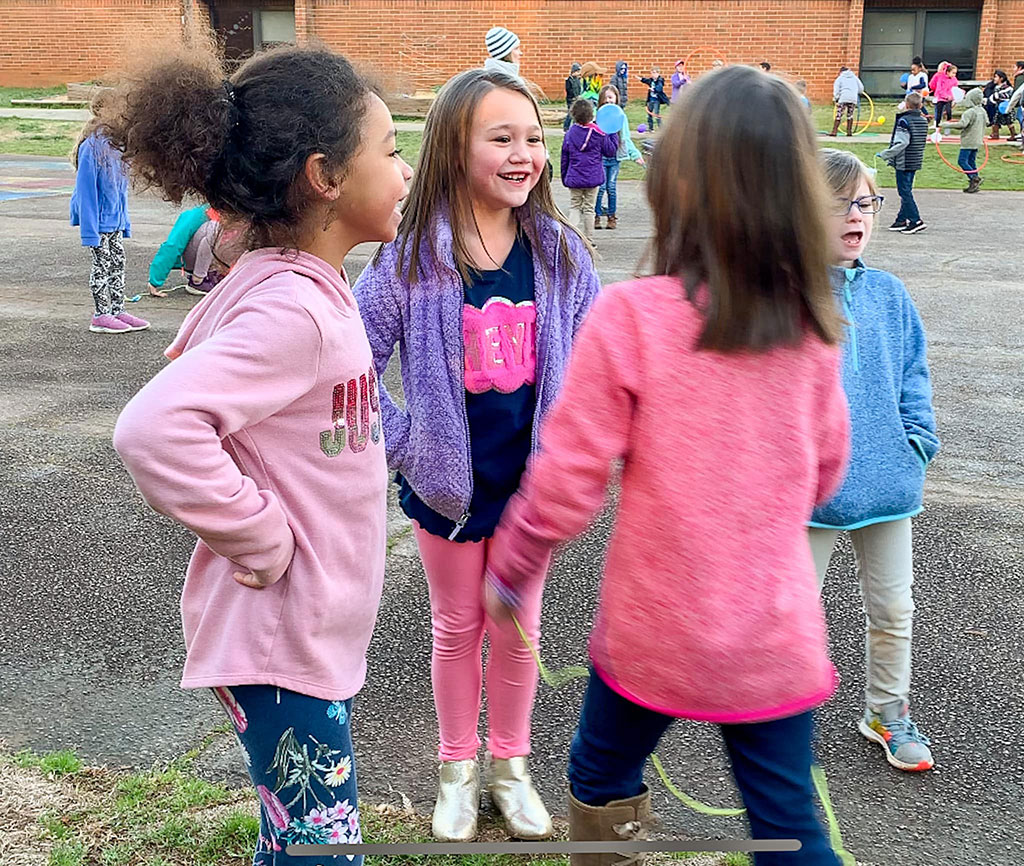
School culture becomes more supportive and inclusive when you let students interact with each other and solve their own challenges without adult intervention.
Mixed-age Play
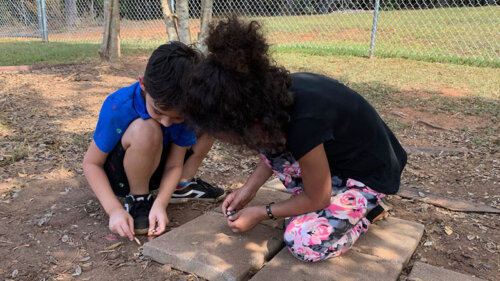
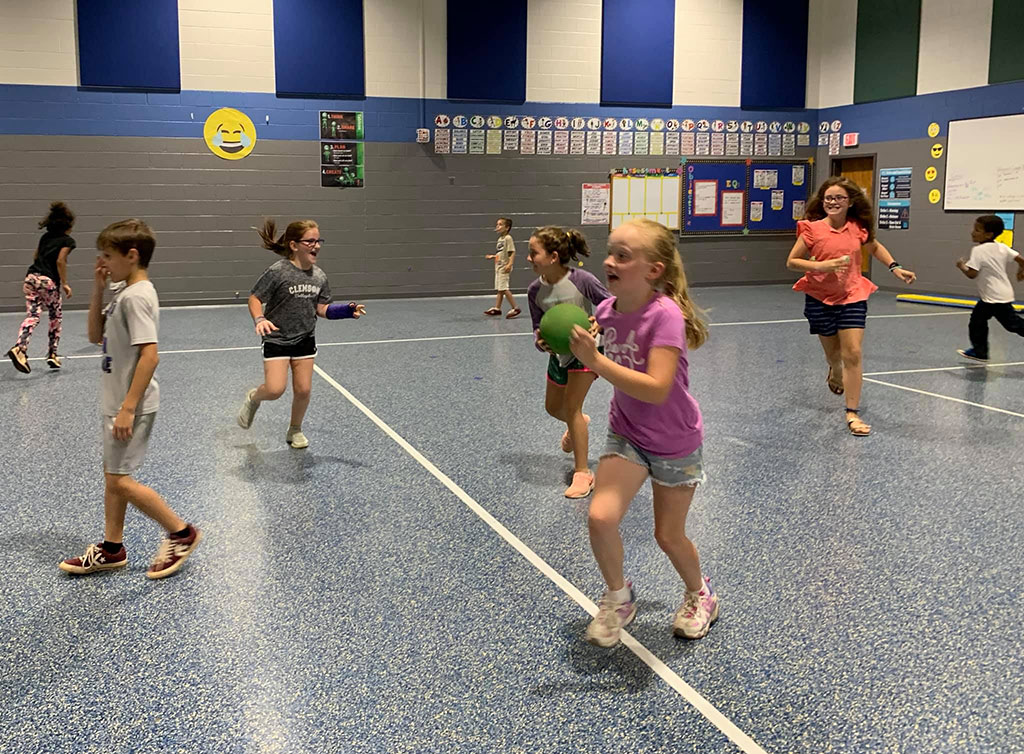
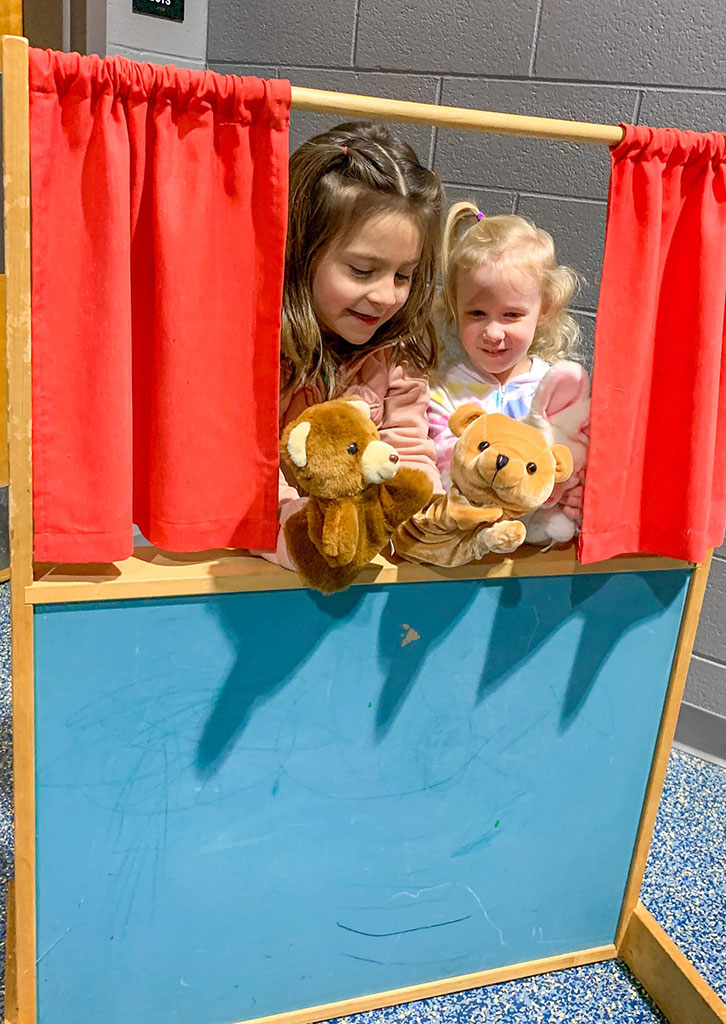
Mixed-age play benefits all kids. Older students develop responsibility, leadership and empathy. Younger kids learn executive function by trying to be like the big kids.
Before Or After School

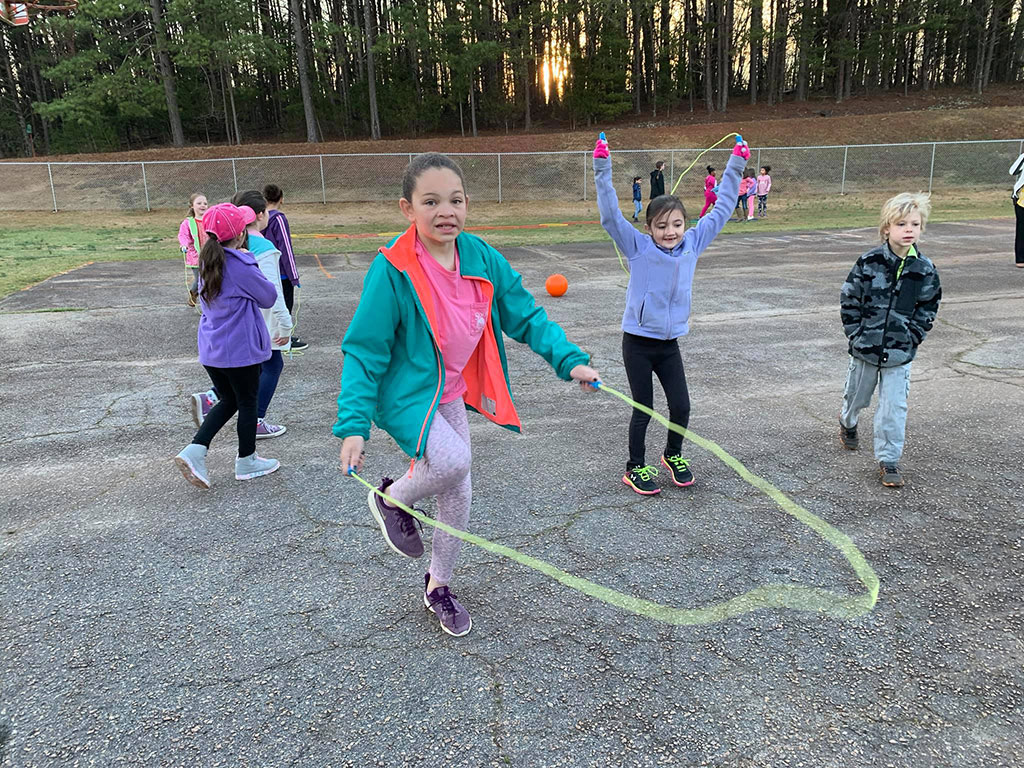
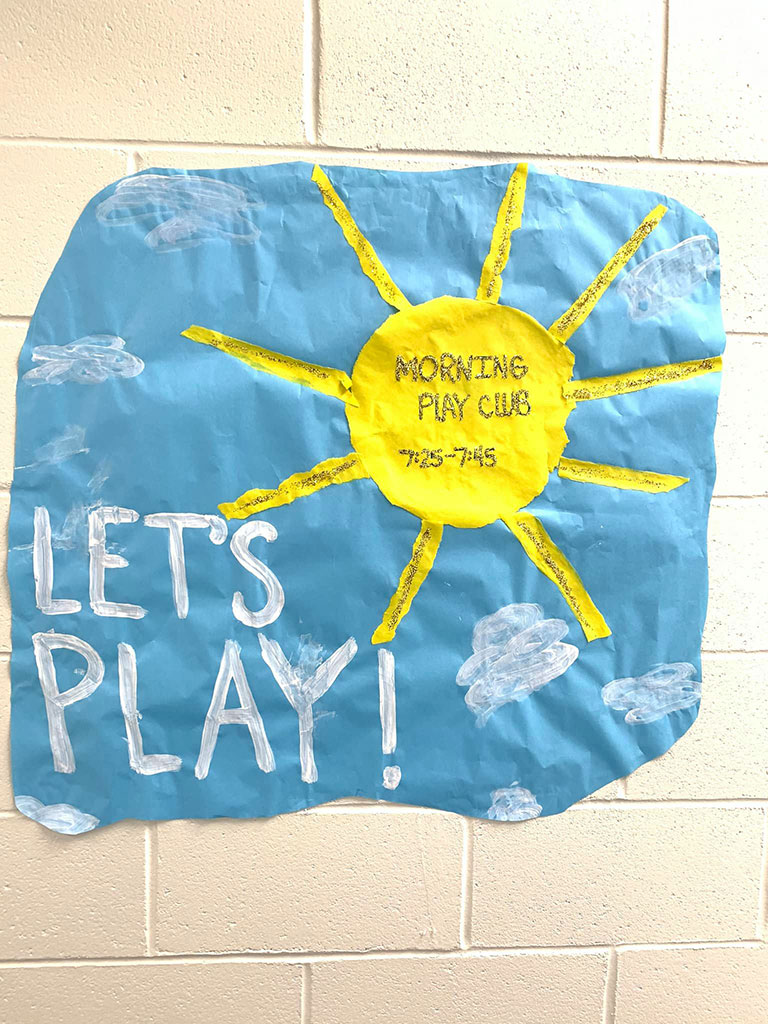
Whether before or after school, kids in the club have fun and make new friends. Educators report reduced behavior problems and a sunnier school climate.
Teaches Real-world Problem Solving And Conflict Resolution
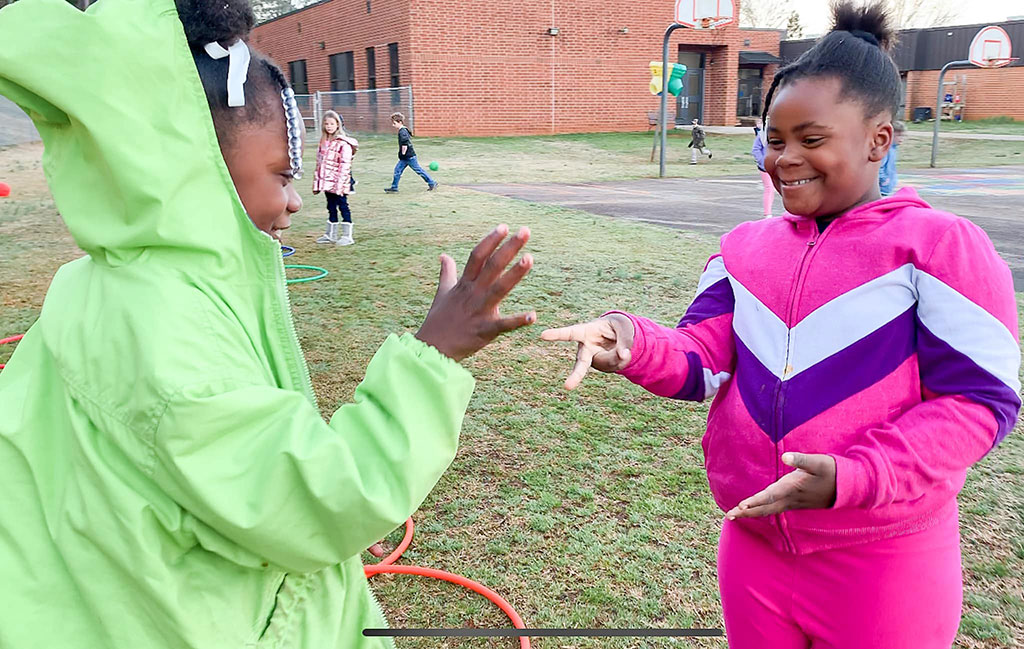
By organizing their own games and learning to solve the inevitable spats, kids learn real-world social skills. You can’t solve problems if there’s always an adult right there at recess or in a play group, solving them first!
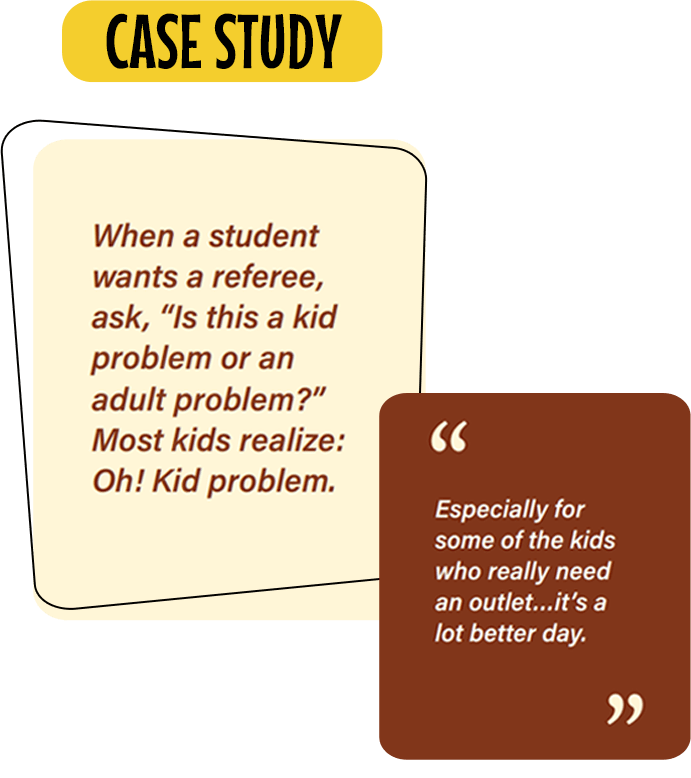
Read the story here of a 4th grade teacher at a Title 1 (high poverty) school who started a Play Club and watched behavior problems, including bullying, go down!
Students with the time and space to create and collaborate on their own end up “a head taller.”